
What is Anxiety? How Does it Affect Your Life?
What Is Anxiety?
You may feel anxious from time to time, but that is a natural part of being human. Many people experience worry before important events, during stressful transitions, or when facing uncertainty about the future. In small amounts, anxiety can be helpful, it keeps us alert, motivated, and prepared. However, when anxiety becomes frequent, intense, or difficult to control, it can begin to affect emotional health and everyday life.
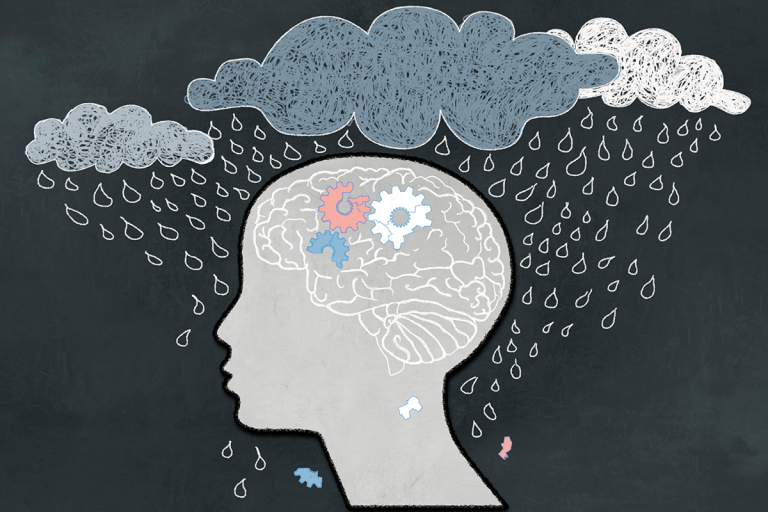
For individuals experiencing anxiety disorders, worry and fear may feel constant and overwhelming. These feelings can appear in everyday situations and often feel stronger than the actual circumstances warrant. Some people also experience panic attacks, which are sudden waves of intense anxiety that can include symptoms such as a racing heart, shortness of breath, dizziness, sweating, or a sense of losing control.
Persistent anxiety can interfere with many areas of life. Work or school responsibilities may feel harder to manage, relationships can be impacted by overthinking or reassurance-seeking, and social situations may feel draining or overwhelming. In an effort to cope, individuals may begin avoiding certain environments, conversations, or activities, which can unintentionally increase isolation and stress over time. Anxiety symptoms often begin during childhood, adolescence, or early adulthood and may continue if left unaddressed. Because anxiety can develop gradually, many people do not immediately recognize how much it is influencing their sleep, confidence, mood, or ability to fully enjoy daily experiences.

The good news is that anxiety is highly treatable. Therapy can provide a supportive space to explore triggers, understand thought patterns, and build practical coping strategies. Techniques such as mindfulness, grounding exercises, cognitive reframing, and emotional regulation skills can help individuals feel more in control of anxious thoughts and physical sensations. With awareness, support, and the right tools, it is possible to manage anxiety, improve daily functioning, and experience greater calm, confidence, and emotional balance.
Understanding Anxiety
Anxiety involves a combination of emotional, physical, and cognitive responses. Many people describe anxiety as a constant sense of worry, fear, or unease that feels difficult to control. While anxiety can arise from specific situations such as work stress, relationship challenges, or major life changes, it can also occur without a clear trigger.
Common experiences of anxiety include:
Excessive worrying or racing thoughts
Feeling restless, on edge, or overwhelmed
Difficulty concentrating
Sleep disturbances
Physical symptoms such as muscle tension, fatigue, rapid heartbeat, or stomach discomfort
These reactions are part of the body’s natural stress response, but when they happen frequently or intensely, they may signal the need for additional support.
How Anxiety Affects Daily Life
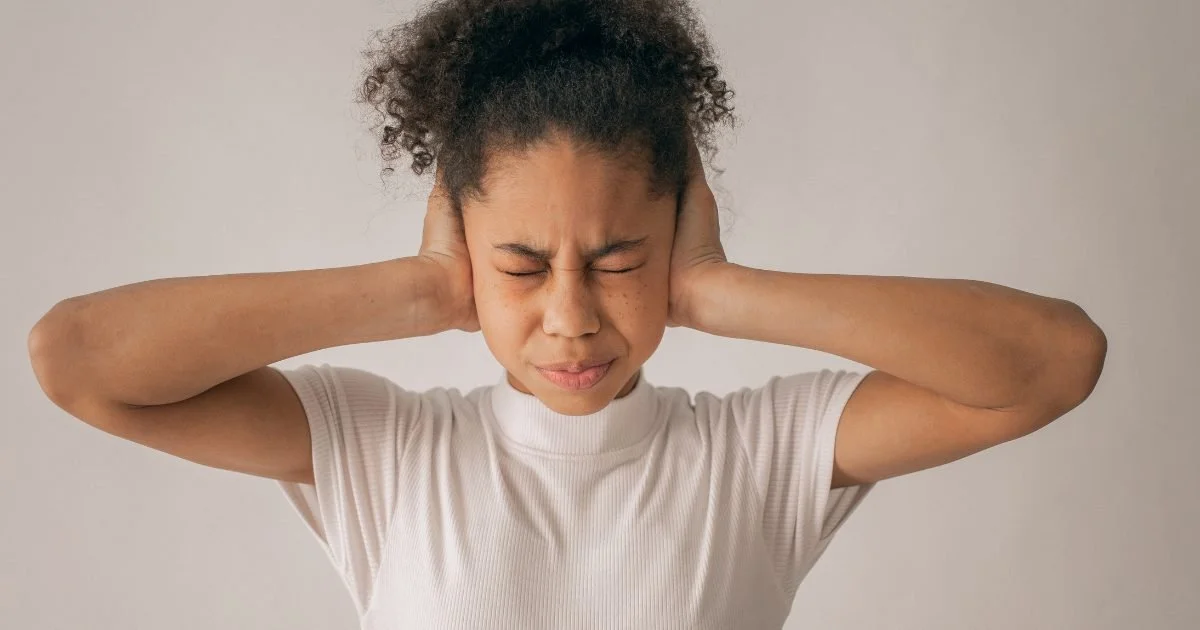
Anxiety can shape many parts of a person’s life, often in ways that feel subtle at first but gradually become more noticeable. Emotionally, anxiety may create a constant sense of worry, self-doubt, or fear of making mistakes. Over time, this can lower self-confidence and make everyday decisions feel overwhelming. Small challenges may feel much bigger internally, leading to mental exhaustion and difficulty feeling fully present.
One common impact of anxiety is avoidance. A person might begin skipping social gatherings, postponing important tasks, or withdrawing from hobbies and experiences they once enjoyed. While avoidance can feel like temporary relief, it often reinforces anxious thoughts and can increase feelings of isolation, frustration, or loneliness over time.
Anxiety and Relationships
In relationships, anxiety can influence how individuals connect, communicate, and interpret interactions. Many people experience overthinking, fear of rejection, or heightened sensitivity to perceived conflict. This may lead to seeking reassurance, difficulty expressing needs, or assuming negative outcomes without clear evidence.
Attachment styles can also play a role in how anxiety appears within relationships. Individuals with an anxious attachment style may fear abandonment, crave reassurance, and feel emotionally distressed when connection feels uncertain. This can show up as overanalyzing messages, worrying about relationship stability, or feeling overly responsible for maintaining closeness.
On the other hand, those with avoidant attachment patterns may respond to anxiety by distancing themselves emotionally, suppressing vulnerability, or avoiding deeper connection. While this can feel protective, it may create challenges with trust, intimacy, and open communication. Some individuals experience a mix of both anxious and avoidant tendencies, leading to internal conflict between wanting closeness and fearing it.

Understanding these patterns can help individuals recognize that their responses are often rooted in protective coping strategies rather than personal shortcomings.
Anxiety at Work or School
Anxiety can also affect performance and productivity. Persistent worry may make it harder to concentrate, complete tasks efficiently, or feel confident in decision-making. Perfectionism, fear of failure, or imposter feelings may increase pressure and lead to procrastination or burnout. This can create a cycle where anxiety impacts performance, which then reinforces self-doubt and stress.
How to Calm your Mind: Focus on Your Breath
One of the quickest ways to calm anxiety is through intentional breathing. Anxiety often causes shallow, rapid breaths, which can increase feelings of panic or tension. Slowing your breath helps signal safety to your nervous system and can reduce physical symptoms of anxiety.
Try this simple box breathing technique:
Inhale slowly through your nose for 4 seconds
Hold your breath for 4 seconds
Exhale gently through your mouth for 4 seconds
Hold your breath for 4 seconds
Repeat for 1–2 minutes
Even a few slow breaths can help you feel more grounded and present.

Gently Challenge Anxious Thoughts
Anxiety often brings racing thoughts or worst-case scenarios that feel very real in the moment. Instead of trying to suppress these thoughts, gently questioning them can create perspective and reduce their intensity.
You might ask yourself:
Is this worry based on facts or fear?
What is a more balanced or realistic outcome?
Have I handled similar situations before?
This practice helps shift your thinking from fear-driven assumptions to more supportive and balanced thoughts.
Moving Toward Awareness and Change
Coping with anxiety is a process, and small steps can make a meaningful difference. Practicing breathing and thought awareness regularly can help you feel more in control and better equipped to navigate anxious moments as they arise.
Recognizing how anxiety influences emotions, behaviors, relationships, and physical well-being is an important step toward change. With support and self-awareness, individuals can learn to interrupt avoidance patterns, build healthier communication skills, and develop coping strategies that support both emotional connection and personal resilience. Therapy and self-reflection can help individuals explore attachment patterns, regulate anxious responses, and create a greater sense of safety within themselves and their relationships.
If you are feeling overwhelmed or would like additional support, you don’t have to navigate anxiety alone.
Scheduling a free consultation with Novara Counseling can be a meaningful first step toward understanding your anxiety, building coping tools, and receiving compassionate guidance on your healing journey.
